The Ultimate Comfort: A Guide to Cotton Socks for Women
Wiki Article
In the vast landscape of women’s fashion, socks are often the unsung heroes. They are the first step toward our daily comfort, the barrier between the outer skin and our shoes, and increasingly, a subtle statement of personal style. While trends appear and disappear with wild patterns and novelty fabrics, one material has stayed a timeless favorite for its reliability and softness: cotton.
Whether you might be heading to a cubicle, hitting the gym, or lounging about the couch, breathable women's bamboo socks give a breathable, versatile option that synthetic fibers simply can’t replicate. Here is everything you need to know about picking out the perfect set of two cotton socks.
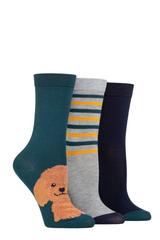
Why Cotton? The Benefits of Going Natural
Cotton is a staple in textiles for hundreds of years, and for good reason. For women’s socks, it gives you several distinct advantages:
Breathability: Cotton is a natural fiber which allows air to flow around you. This helps regulate temperature and keeps feet from overheating, making them ideal for everyday wear in mild to the sunshine.
Softness and Comfort: High-quality cotton feels soft and gentle from the skin. It’s more unlikely to cause irritation or itching in comparison with some coarse synthetics or wools, making it perfect for those with sensitive skin.
Hypoallergenic Properties: Because it is natural and free of harsh chemicals (particularly in its organic form), cotton is naturally hypoallergenic. It’s a secure bet for females who suffer from allergies or skin reactions.
Moisture Absorption: Cotton fibers are hydrophilic, meaning they're able to absorb lots of moisture (like sweat) before feeling wet. This helps keep your feet dry throughout the day.
Versatility: From sheer trouser socks to thick, cozy bed socks, cotton could be woven right into a vast range of weights and fashoins to suit any need.
Finding the Perfect Fit: Types of Cotton Socks
Not all cotton socks are the same. The key to finding the right pair often is in the construction along with the specific sort of cotton used.
1. By Cotton Type
Conventional Cotton: The most common and affordable option. While comfortable, it’s worth noting that conventional cotton farming might be water-intensive.
Organic Cotton: Grown without synthetic pesticides or fertilizers, organic cotton is a fantastic choice for the eco-conscious consumer. It’s often even softer and safer for sensitive skin.
Egyptian or Pima Cotton: These are premium, long-staple cottons. The longer fibers mean fewer joins in the yarn, resulting in a smoother, stronger, and incredibly soft sock that is not as likely to pill.
2. By Style
No-Show & Liner Socks: Made from lightweight cotton, they are designed to be invisible in loafers, sneakers, and flats, providing hygiene without compromising your shoe's aesthetic.
Ankle & Crew Socks: The workhorses from the sock drawer. A good cotton crew sock offers comfort and protection for everyday wear, from casual jeans to tennis shoes.
Knee-Highs & Tights: Cotton-blend tights provide a more breathable option to synthetics, ideal for transitional weather if you want a little warmth without overheating.
Cozy Bed Socks: Thick, fluffy cotton socks would be the ultimate indulgence for any relaxing night in, keeping feet warm without causing sweat.
The Cotton Blend: Why 100% Isn't Always Best
While 100% cotton socks sound ideal, they are not always probably the most practical choice for every situation. Pure cotton lacks elasticity. This means a 100% cotton sock would stretch out, lose its shape, and sag around your ankle.
This is why most high-quality cotton socks are actually cotton-blends. Look for labels that combine cotton with a small amount of other fibers:
Spandex/Elastane (2-5%): This could be the magic ingredient that increases the sock its stretch and ensures it hugs your foot and ankle snugly without slipping.
Nylon/Polyamide (10-20%): Adding nylon raises the sock's durability and strength. It reinforces high-wear areas just like the heel and toe, preventing holes and making the sock last a lot longer.
Polyester: Often utilized in athletic socks, polyester wicks moisture away faster than cotton alone, assisting to keep feet dry during intense activity.
The sweet spot for an everyday cotton sock is usually a blend like 75-80% Cotton, 15-20% Nylon, and 3-5% Spandex. This gives you the comfort of cotton with the performance of recent fibers.
Caring for Your Cotton Socks
To maintain your favorite pairs looking and feeling perfect for longer:
Wash Inside Out: This protects the outer fibers helping prevent pilling.
Cold Water: Washing in cold water is gentler around the fibers and prevents shrinking.
Avoid the Dryer: High heat is the enemy of elasticity. Air drying is the best strategy to preserve body and form of your cotton socks.
Sort by Color: Keep whites and lights separate from darks to avoid discoloration.
Cotton socks tend to be than just an elementary necessity; they may be a cornerstone of the comfortable and functional wardrobe. Whether you prioritize the plush softness of organic fibers, the durability of a reinforced blend, or sleek look of an fine-gauge trouser sock, there is often a cotton option for every single woman every occasion.